Sun exposure can leave behind more than just a tan; it often causes stubborn dark patches and uneven skin tone.
For many, finding an effective skin pigmentation treatment is the key to restoring their natural glow and confidence.
Whether you’re dealing with sunburn marks, discoloration, or post-inflammatory pigmentation, the right care makes all the difference. In this guide from Zohra Shop, we’ll walk you through expert-backed steps and product recommendations to help fade pigmentation and bring your skin back to life.
What are sunburn pigmentation marks and why do they appear on the skin?
Sunburn pigmentation marks are dark patches or spots that develop after prolonged sun exposure. They occur when UV rays trigger the overproduction of melanin—the pigment responsible for skin color—resulting in visible pigmentation on face or other exposed areas.
Understanding skin pigmentation causes is the key to preventing and treating them. The most common cause is unprotected sun exposure, but other triggers include hormonal changes, post-inflammatory responses after acne or injury, and certain medications.
There are different types of pigmentation, such as sunspots (solar lentigines), melasma, and post-inflammatory hyperpigmentation. Sunburn-related pigmentation typically appears as uneven patches on the cheeks, forehead, or nose, and can be stubborn if not treated promptly.
5 Fastest ways to treat sunburn pigmentation at home
The right pigmentation treatment at home can significantly speed up the fading of sunburn marks and restore your skin’s natural tone. Here are some of the most effective steps:
- Soothe and Protect Immediately: Apply pure aloe vera gel or cold compresses to reduce redness and calm the skin, preventing pigmentation from deepening.
- Exfoliate Gently: Use a mild scrub or chemical exfoliant (like lactic acid) once or twice a week to remove dead, pigmented skin cells and reveal brighter skin underneath.
- Hydrate Deeply: Choose a nourishing moisturizer to repair the skin barrier, which helps improve overall skin tone.
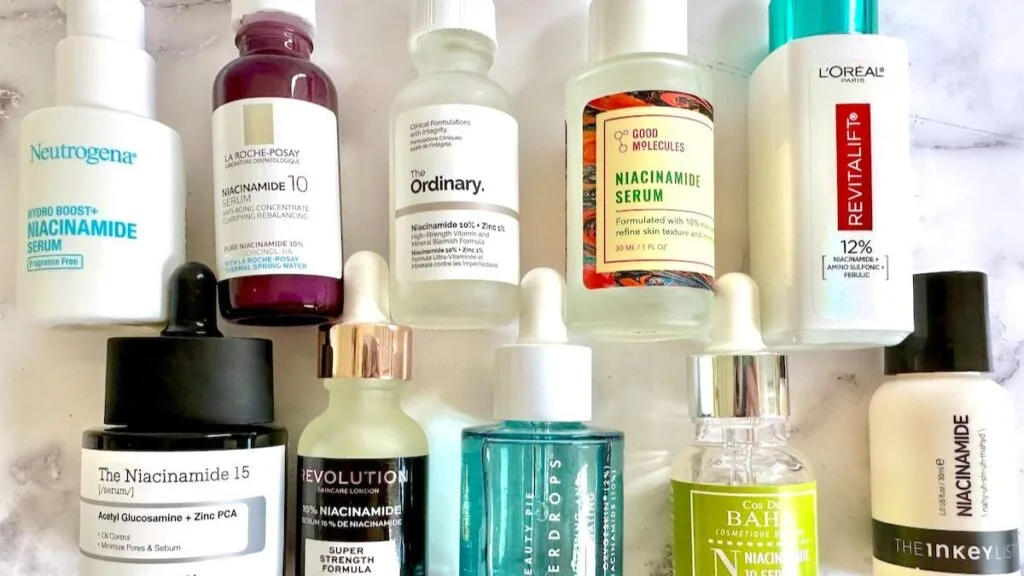
- Apply the Best Pigmentation Cream: Look for formulas with niacinamide, vitamin C, or alpha arbutin. Using the best pigmentation cream regularly can noticeably fade dark spots within a few weeks.
- Always Use Sunscreen: Daily SPF application prevents existing pigmentation from worsening and stops new dark spots from forming.
Effective medical products to lighten sun-induced pigmentation
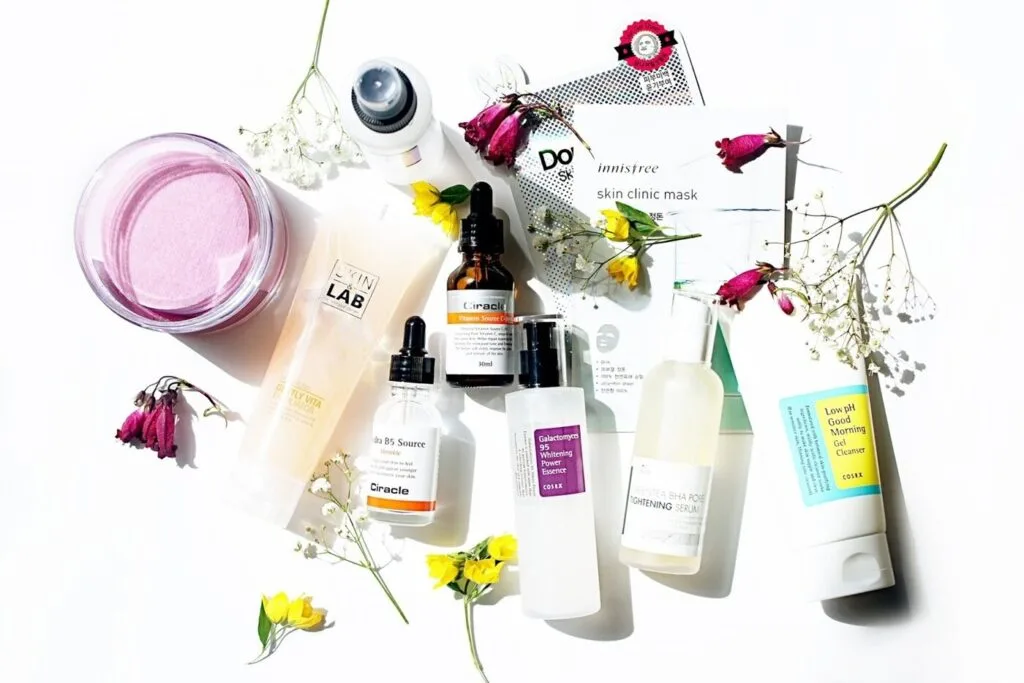
Finding the best treatment for pigmentation on face can make a big difference in fading sun-induced dark spots and restoring even skin tone. Here are some effective options available at Zohra Shop:
- Key Ingredients: Glutathione, Alpha Arbutin, Niacinamide, Kojic Acid
- Benefits: Targets stubborn pigmentation, evens out skin tone, and provides deep hydration.
- Best For: All skin types, especially combination skin.
COSRX Snail Mucin 92
- Key Ingredients: 92% Snail Mucin, Panthenol, Niacinamide
- Benefits: Repairs damaged skin, fades post-sun pigmentation, and restores elasticity.
- Best For: Dry, sensitive, or post-acne skin.
Some By Mi Retinol Serum – Intense Advanced Triple Action
- Key Ingredients: Retinol, Niacinamide, Peptides
- Benefits: Stimulates cell turnover, reduces pigmentation marks, and smooths skin texture.
- Best For: Normal to mature skin seeking anti-aging and brightening effects.
Daily skincare routine after sun exposure
Following a consistent after-sun routine can help prevent and fade pigmentation while keeping your skin healthy. Here’s a simple yet effective plan:
- Gentle Cleansing: Use a mild, hydrating cleanser to remove sweat, sunscreen, and impurities without stripping the skin.
- Cooling & Soothing: Apply aloe vera gel or a calming toner to reduce heat and redness.
- Deep Hydration: Use a nourishing moisturizer such as COSRX Snail Mucin to repair and hydrate sun-exposed skin.
- Targeted Pigmentation Treatment: Apply Infinity Cream for Whitening or Some By Mi Retinol Serum to treat and fade sun-induced pigmentation.
- Sun Protection: Always finish with a broad-spectrum sunscreen (SPF 30 or higher) to prevent further pigmentation.
Following this daily routine will help maintain your natural glow while speeding up recovery from sun exposure.
FAQs
How long does it take for pigmentation to fade?
It usually takes 4–8 weeks for pigmentation to fade, depending on its severity, your skin type, and the consistency of your treatment routine.
Can exfoliators be used on sunburned skin?
No. Avoid using exfoliators until the skin has fully healed from sunburn. Once the redness and sensitivity subside, you can introduce gentle exfoliation to help fade pigmentation.
Does sun exposure worsen pigmentation?
Yes. UV rays stimulate melanin production, which can darken existing pigmentation and cause new spots to appear. Daily sunscreen use is essential to prevent this.
Conclusion
Choosing the right skin pigmentation treatment can make all the difference in fading sunburn marks and restoring your natural glow. By combining consistent care, sun protection, and targeted products, you can achieve healthier, more even-toned skin.
At Zohra Shop, we offer carefully selected skincare solutions—from brightening creams to advanced serums—designed to help you treat pigmentation effectively and confidently.